
THE projet
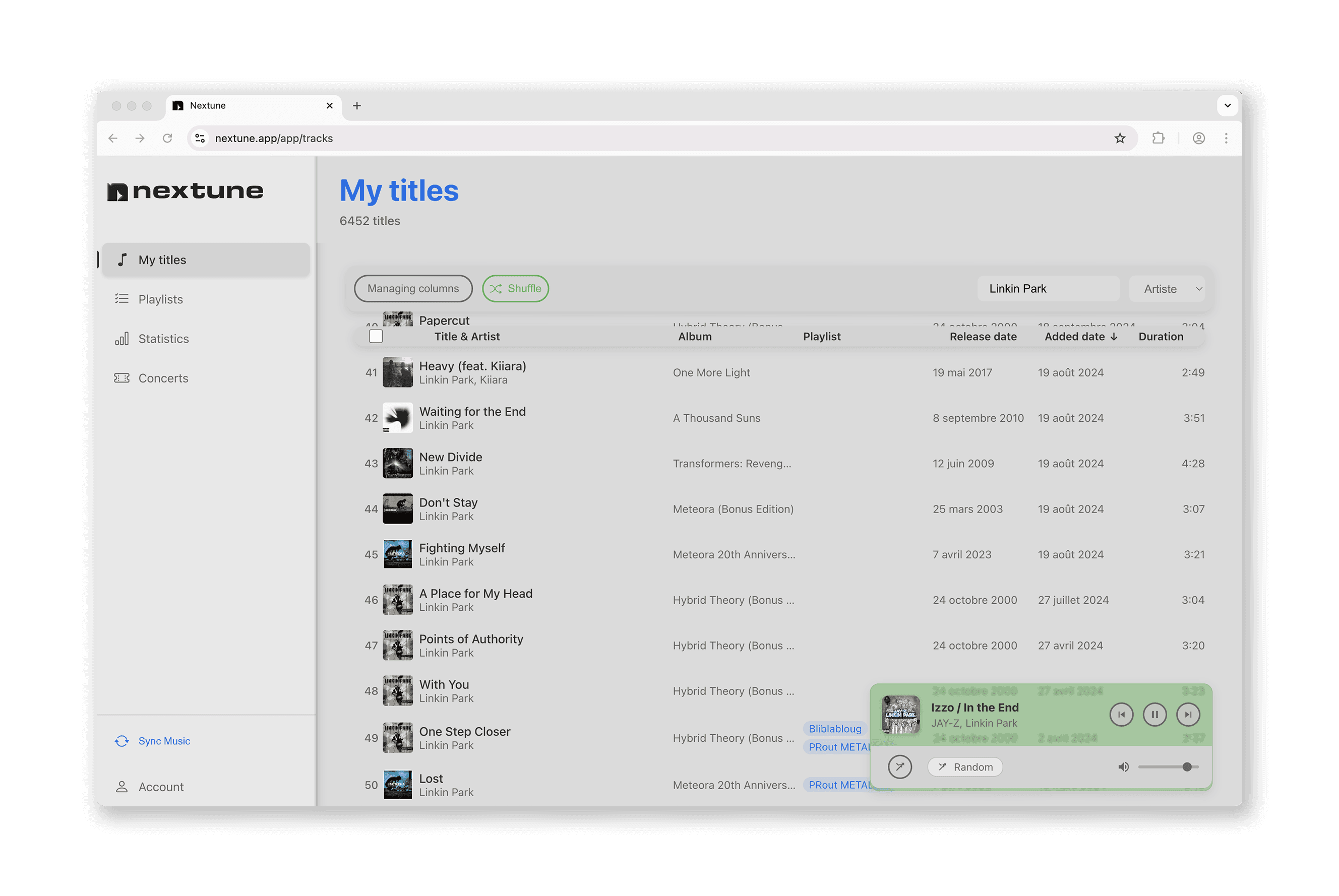
Nextune was born from a simple observation: despite catalogs of 100 million titles, our streaming platforms often lock us into the same listening loops.
So, in eight weeks, I imagined, researched, and prototyped a module that injects a measured dose of novelty into each session without disrupting habits or playlist control. This case study traces the key steps: user research, defining the journey, designing the playlist generator, and validation through high-fidelity tests connected to the Spotify API.
brief
As a personal project, Nextune has two objectives:
To learn and test the entire design and development chain for a digital product (from concept to deployment).
To offer innovative features in the field of music streaming
Enriched discovery experience: multiple recommendations and promotion of new artists or sub-genres.
Advanced personalization: granular filters, intelligent automatic playlists.
Stimulating curiosity: transforming the laborious organization of playlists into a fun and inspiring process.
The idea is therefore to build a prototype (and eventually an MVP) that can validate these hypotheses, gather user feedback, and provide me with a concrete basis for learning, iterating, and documenting my approach as a product designer.
BRAND
Nextune is a personal project born out of my desire to design and develop a comprehensive product to deepen my skills and experiment with all stages of creating a digital platform, from UX/UI to technical implementation. Nextune's ambition is to centralize and optimize the experience of listening to, organizing, and discovering music through a single platform.
This initiative, carried out entirely on my own from start to finish, allows me to practice user research, design, prototyping, and implementation, while remaining agile and attuned to the needs of music lovers. Nextune, in its current form, is based on the idea that an application should put the user at the heart of the musical experience: multiple filters, quick creation of customized playlists, discovery of new musical gems, etc.
context
In a market dominated by major streaming platforms (Spotify, Apple Music, Deezer, etc.), few third-party tools address the core issue of music organization and discovery with a high level of granularity (BPM, mood, instruments, etc.). Native features are often limited to algorithmic suggestions with few customization options, leading to repetitive discovery. Users who want to go further are forced to resort to fragmented applications or homemade scripts.
Through my discussions with music lovers and my own experiences, I have identified several obstacles:
Too many scattered and redundant playlists.
Little control over advanced categorization (rhythm, mood, themes).
Lack of variety in recommendations for new artists.
Why make it a personal project?
Comprehensive learning: mastering the design stages (UX research, wireframing, prototyping, testing, UI design, etc.) while exploring the technical side (implementation, APIs, etc.).
Experiment without the pressure of a client or a company roadmap, to iterate freely based on user feedback.
Prove my ability to manage a product from start to finish, gather data, make strategic decisions, and deliver a functional MVP.
DEFINITION OF THE TARGET AUDIENCE AND USERS
(USER RESEARCH) - THE QUESTIONNAIRE
Research Method
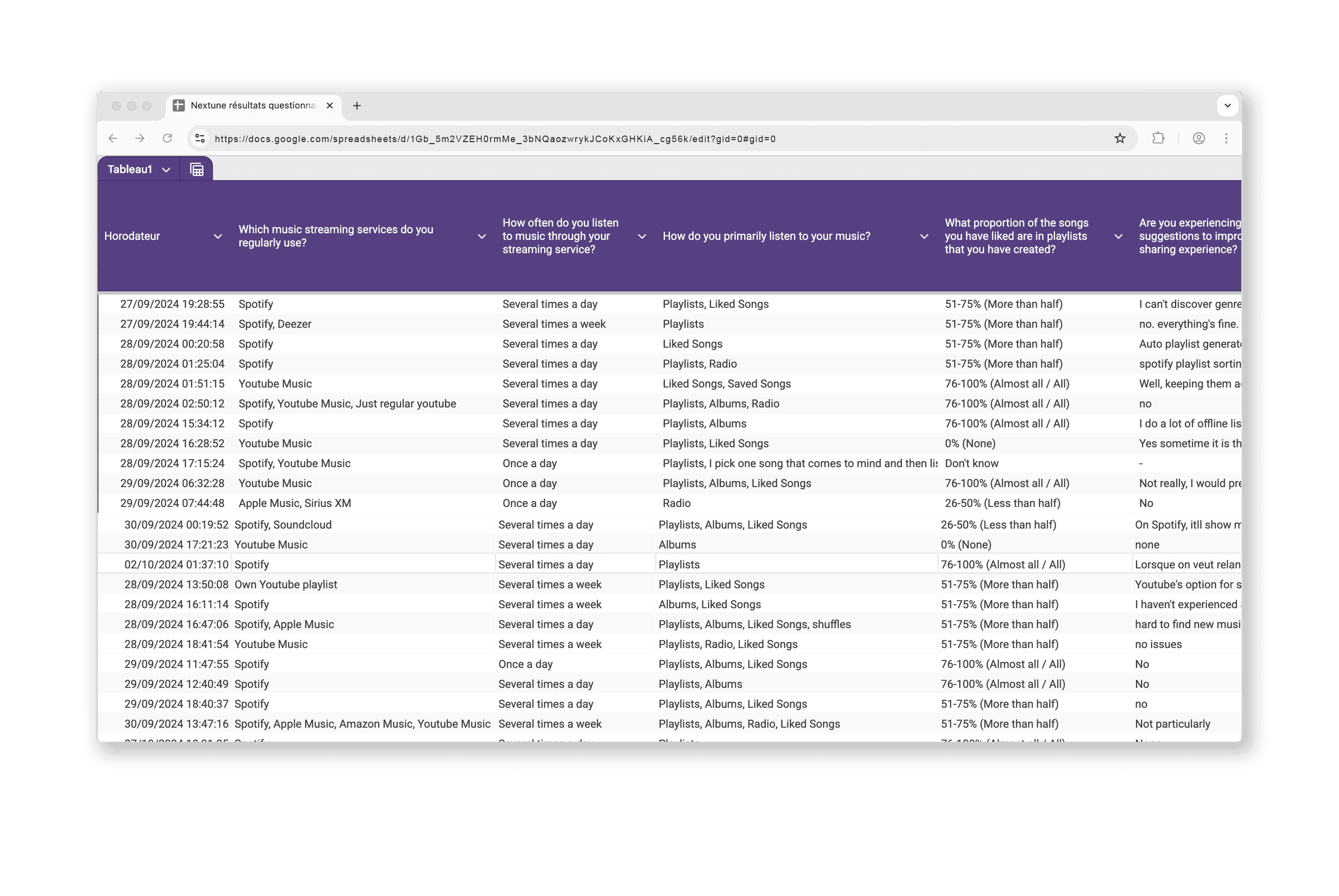
To better understand users' actual needs, habits, and frustrations when it comes to music streaming, I created a quantitative questionnaire.
An online form was distributed to around 40 respondents in order to collect quantitative data on usage (platforms used, listening frequency, organization methods, etc.).
Here is the link to the results of this Google Form.
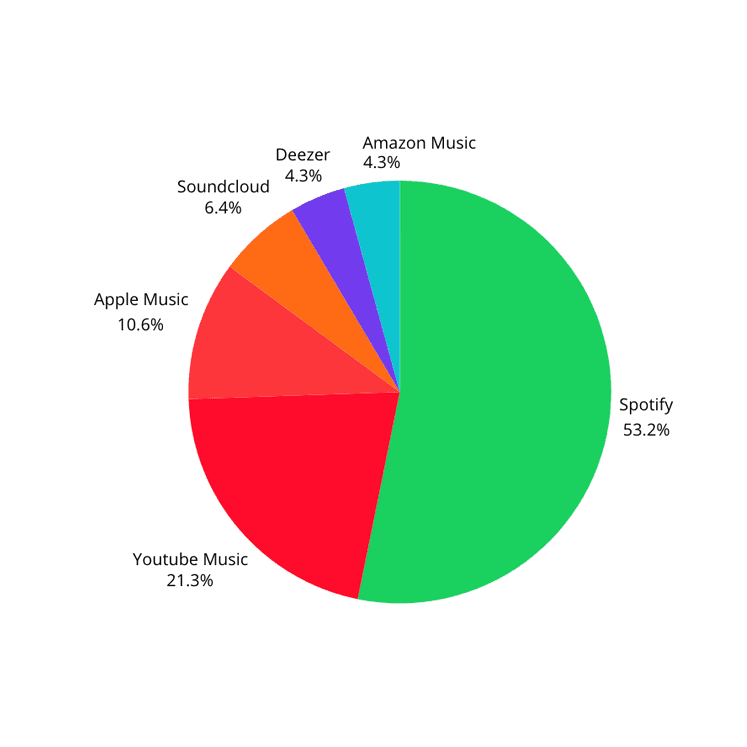
Distribution of music streaming platforms among respondents
Several key findings emerged:
Dominant platforms:
53% of respondents use Spotify as their primary service.
YouTube Music (approx. 28%) comes in second place, followed by Apple Music, Deezer, etc.
This means that any organization and discovery solution will first and foremost need to offer strong integration or compatibility with Spotify.
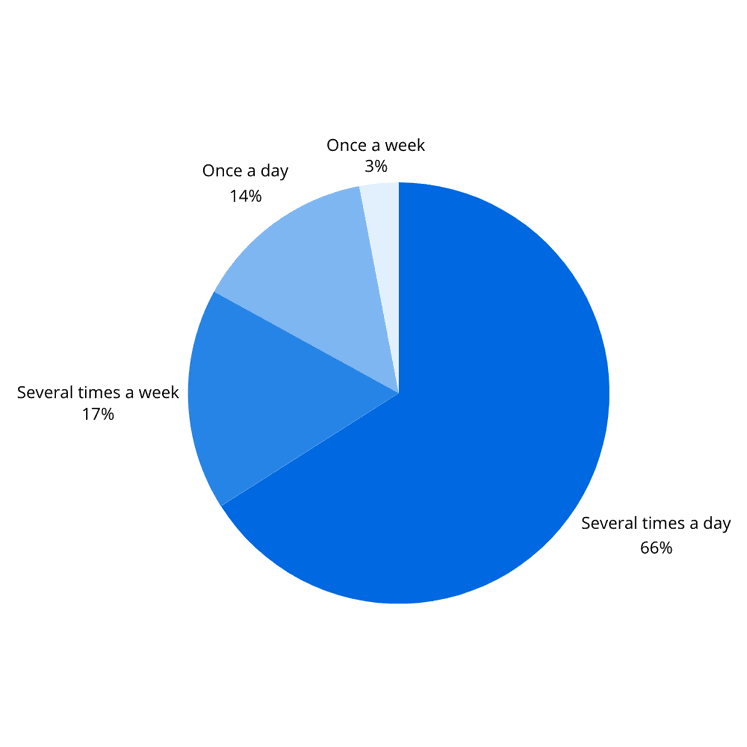
Distribution of listening frequency with these services among respondents
Very high listening frequency:
Approximately 67% of respondents listen to music several times a day, highlighting intensive and regular use.
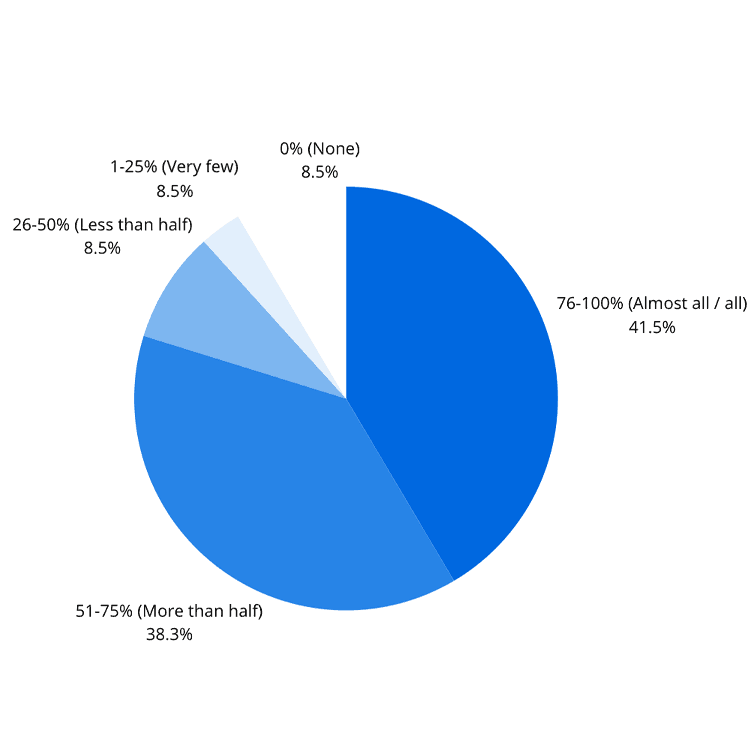
Distribution of the amount of music present in both the list of favorite music and playlists among respondents
Listening mode
The playlists and liked tracks are the most used for managing music.
This confirms the possible need for powerful playlist management tools.
The playlists and liked tracks are the most used for managing music.
(USER RESEARCH) - MAIN FRUSTRATIONS
Here are the main frustrations expressed by users during my research.
Musical discovery
Recommendations sometimes considered repetitive or lacking in variety.
Difficulty discovering new artists or genres if the algorithm is not sufficiently diverse.
In addition to the figures, I analyzed the comments and verbatim responses obtained through open-ended questions.
Points of friction
Laborious playlist management: ““I spend too much time sorting and organizing my titles.”
Uninspiring discovery: “I feel like I always see the same suggestions.”
No ranking by BPM: “I can't find a list that suits my sports training.”
Motivations / Needs
Granular control: Filter by BPM, mood, genre, etc.
Seamless experience: Quickly organize dozens or hundreds of favorite tracks.
Broader exploration: Discover lesser-known genres or artists and broaden your horizons.
Opportunities
Given these data, several opportunities emerge for Nextune:
Enriched recommendations:
Leverage more advanced criteria (BPM, mood, musical style, etc.) to refine suggestions and avoid repetition.
Highlight “discovery paths” (emerging genres, similar artists, micro-genres, etc.).
Improved playlist usability:
Offer multi-criteria filtering (e.g., BPM + mood + date) to instantly sort tracks.
Design an intuitive sorting system, including drag-and-drop, tags, or automatic playlist generation.
Make exploration fun:
Offer an “Automatic Playlist” feature based on mood, activity (sports, relaxation, etc.), period (90s, etc.).
Gamify discovery with contextual suggestions (“you might like to try this sub-genre!”).
(Business objectives)
Make organizing easier with Spotify
User observation: Spotify playlists often end up cluttered, with thousands of “liked” tracks that are difficult to find.
Product response: Nextune integrates with Spotify (via its API) to offer a management dashboard.
Business objective: Retention and loyalty through a richer experience. Users keep Spotify, but use Nextune for advanced organization.
Streamline sharing and collaboration
User observation: Even though Spotify already offers sharing, creating complex collaborative playlists remains somewhat cumbersome.
Product response: Nextune can enable more advanced features (co-editing, group suggestions), while remaining linked to the Spotify account.
Business objective: Develop Nextune's visibility and promote virality by integrating with existing Spotify uses.
Finally, these areas are accompanied by measurable KPIs.
Usage rate (how many Spotify users install/activate the Nextune tool).
Rate of advanced playlist creation (BPM/mood filtering) and average time spent sorting tracks.
Improved discovery (number of “new” artists listened to per month).
(PERSONAE)
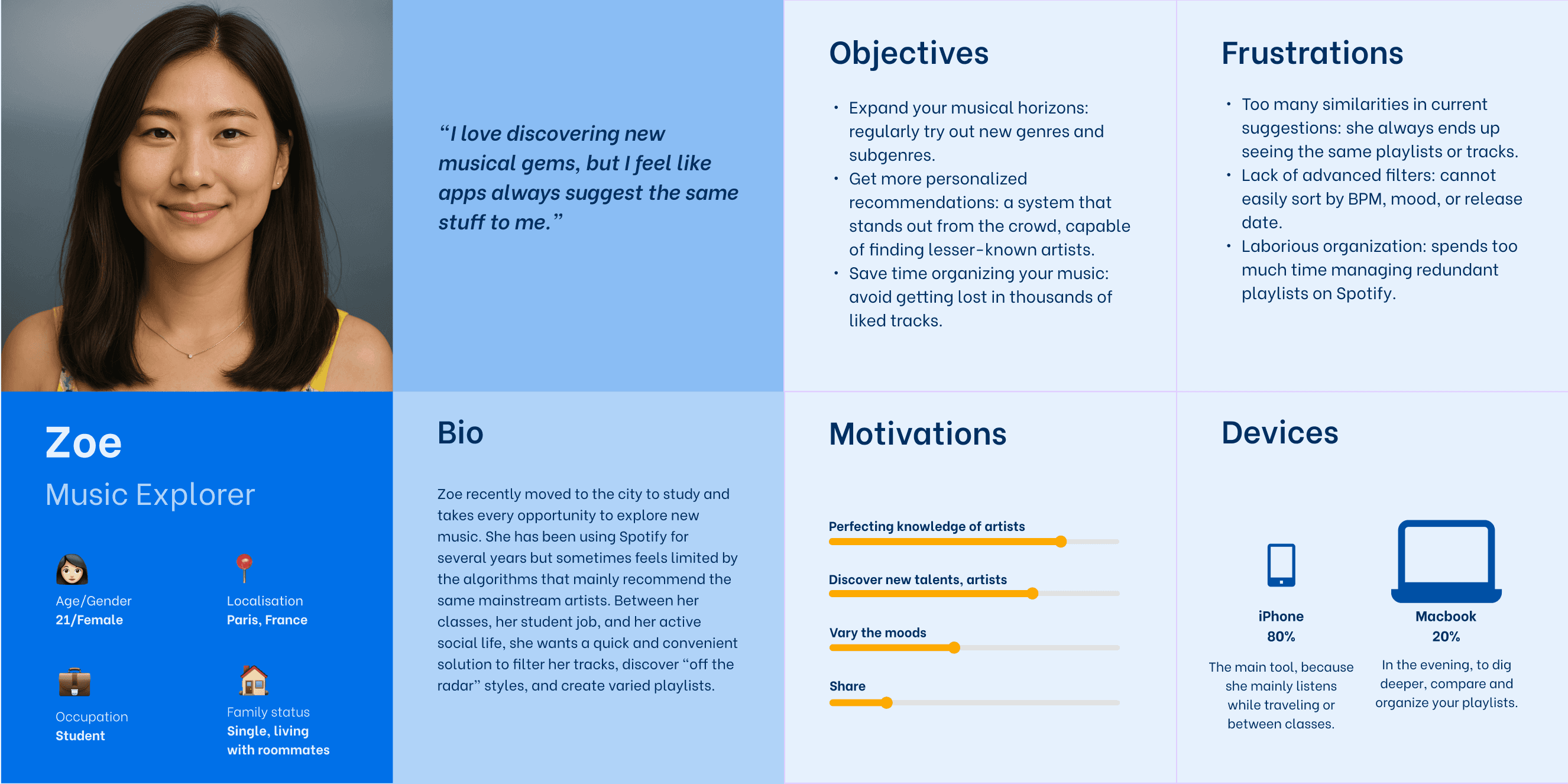
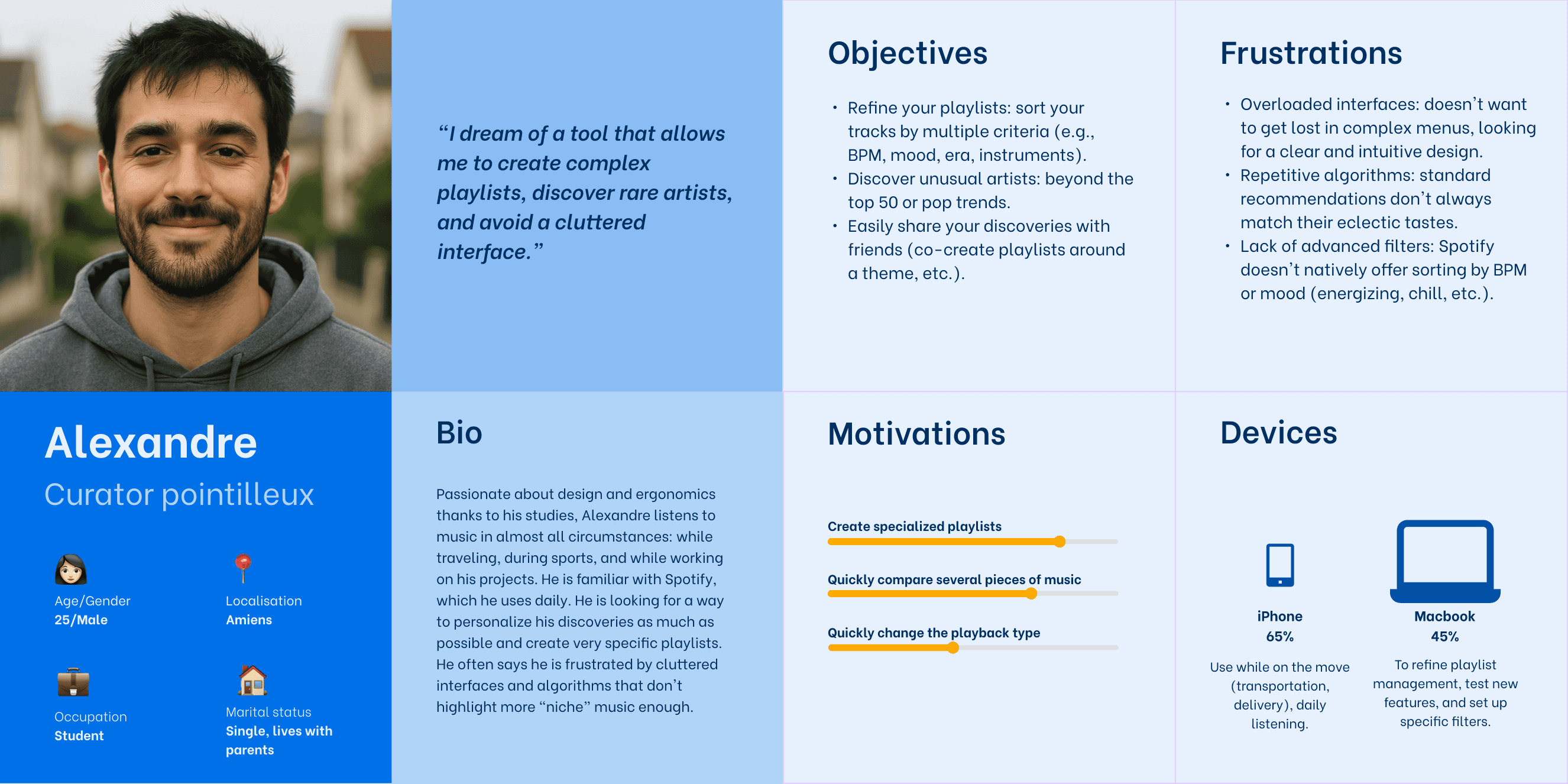
To design a truly useful and engaging experience, I defined two representative personas based on user feedback collected via questionnaire.
These profiles helped me identify underlying needs and points of friction with existing tools, and guided the functional prioritization of Nextune.
Zoe, 21, curious and ultra-mobile, wants to quickly discover new musical styles and save time organizing her playlists.
Alexandre, 25, is passionate about ergonomics and cutting-edge music. He is looking for a tool that allows him to classify his tracks accurately and explore unusual artists, while avoiding complex interfaces.
(USER FLOW)
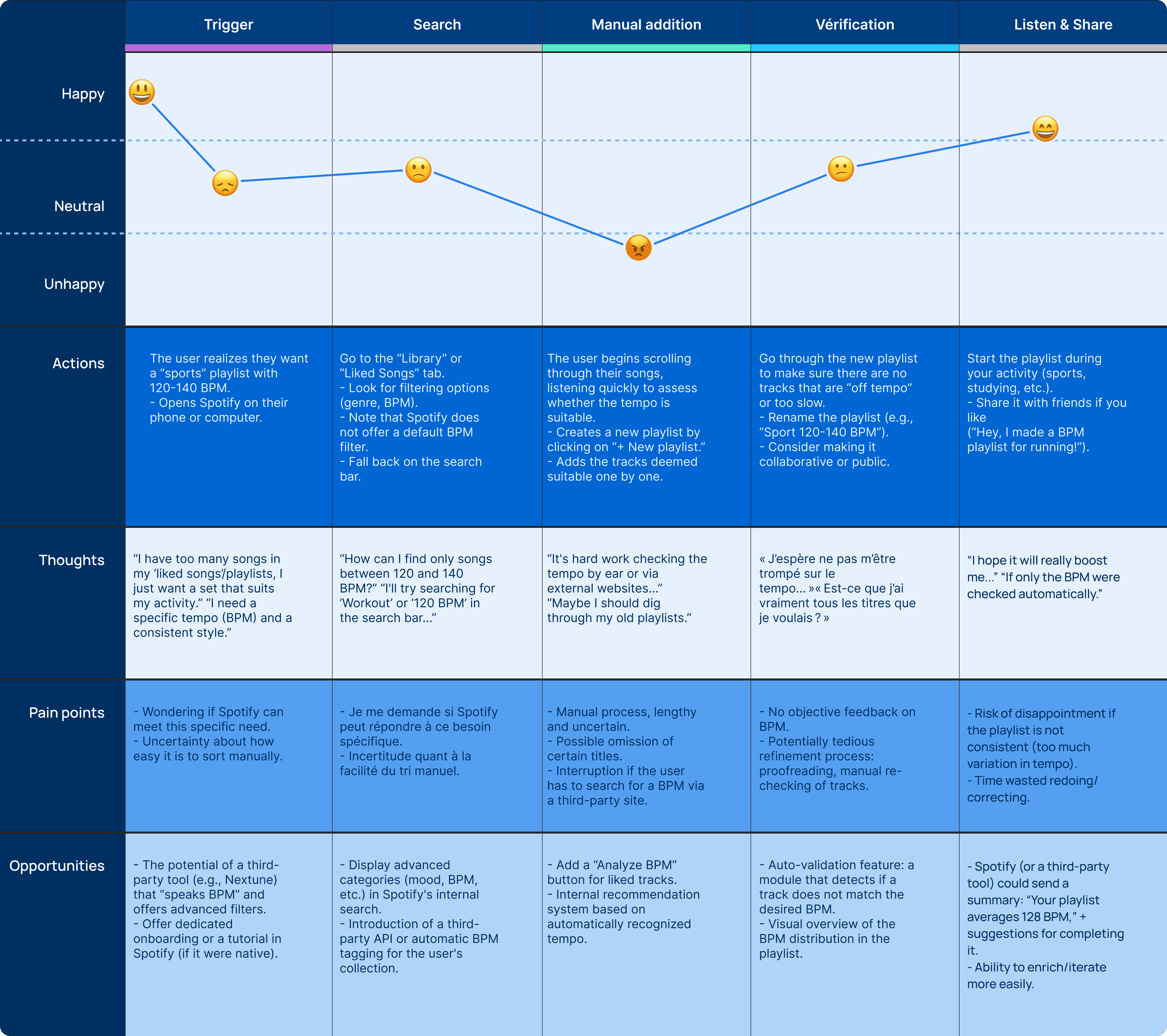
In the saturated musical universe of streaming platforms, organizing songs according to personal preferences (by BPM, mood, or date) remains a challenge. This user flow illustrates the user journey designed for Nextune: from connecting to Spotify to automatically generating a personalized playlist.
I designed this flow to reduce cognitive load, limit the friction associated with manual searching, and transform a task perceived as tedious into an intuitive, fast, and engaging experience.
(USER JOURNEY MAP)
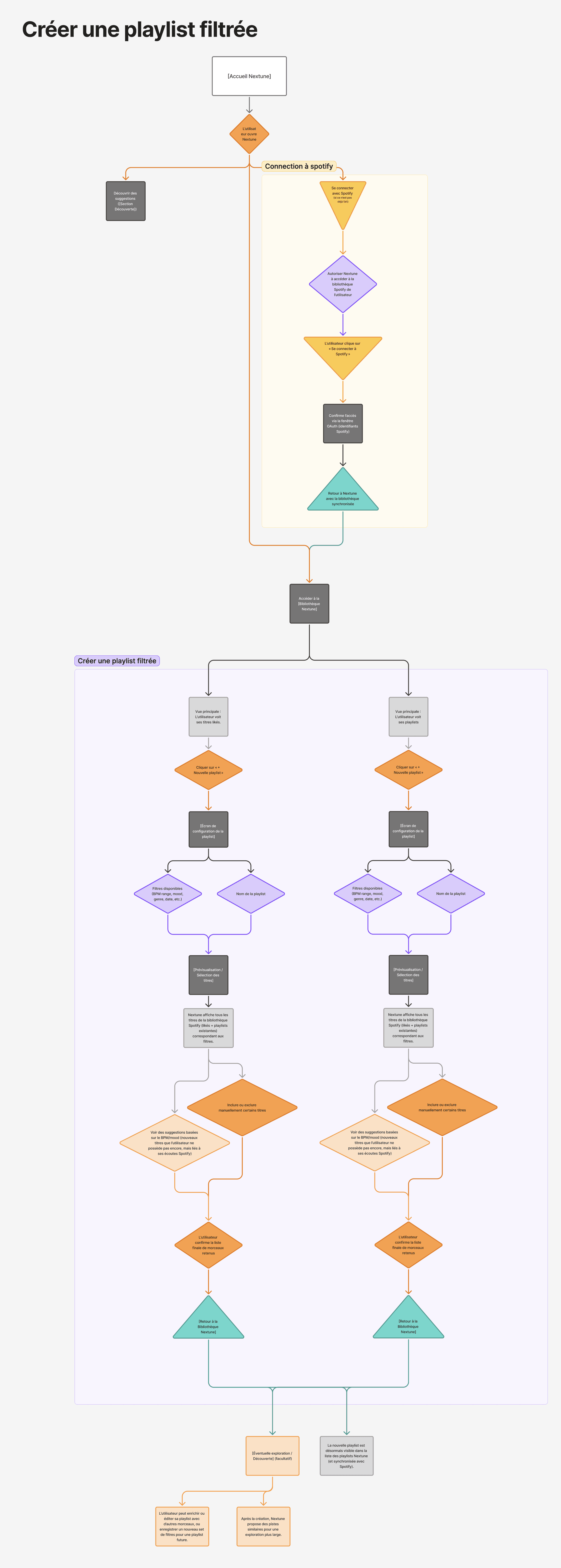
This journey map illustrates the current experience of a user who wants to create a filtered playlist (by BPM, mood, etc.) directly in Spotify, without using a third-party tool.
It highlights the actions taken at each stage of the journey, the associated thoughts, the emotions felt, and the main points of friction.
Analyzing this journey allowed me to identify several key opportunities for Nextune:
Reduce the manual effort involved in sorting and verifying tracks.
Introduce advanced filters (BPM, mood, era, etc.) that are not available in Spotify.
Strengthen user confidence in the final result through an automatic validation system.
This mapping served as a strategic basis for guiding priority features and designing a smoother, faster, and truly personalized experience.
(SITE MAP)
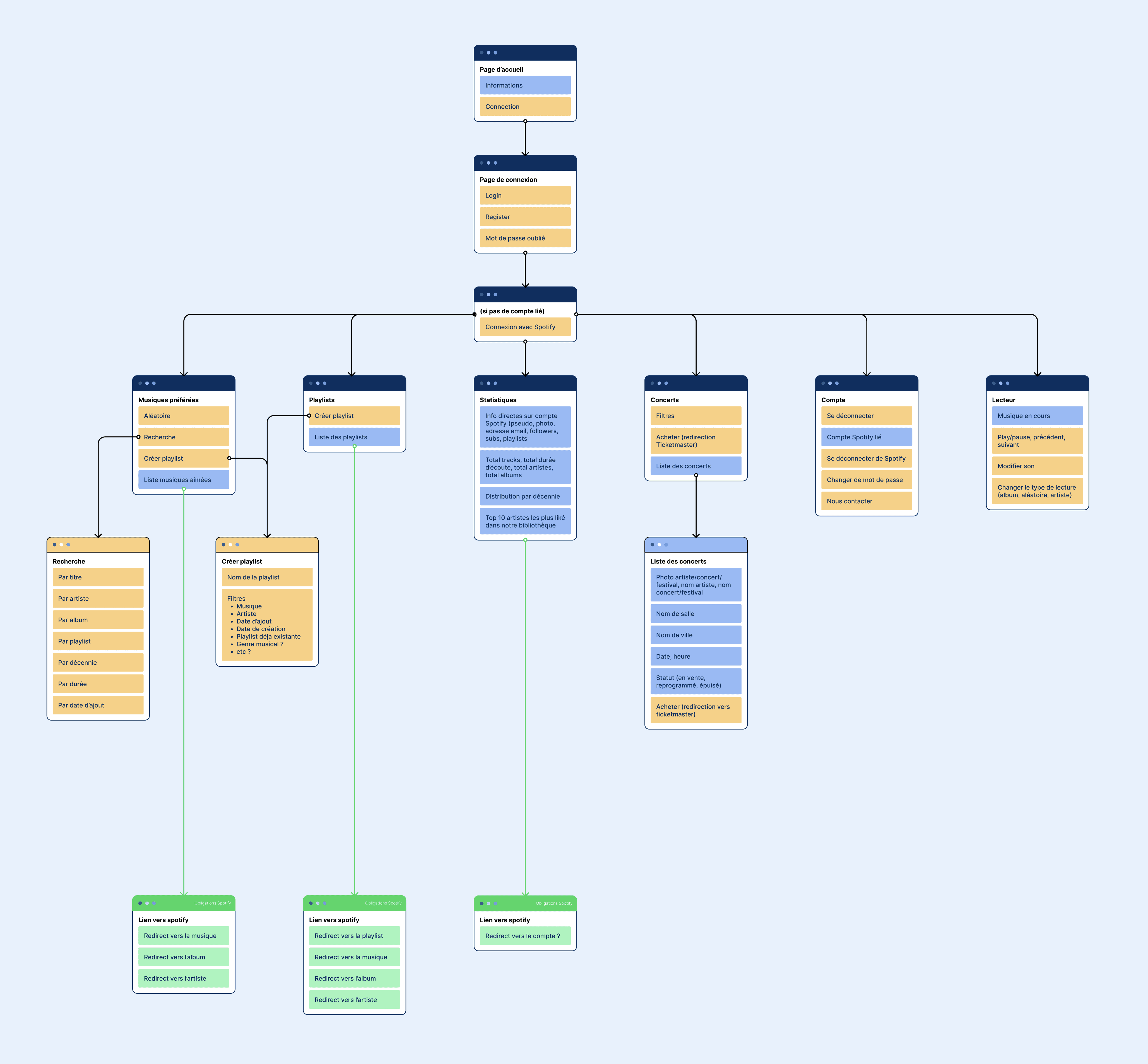
This map structures the entire Nextune application and illustrates the content hierarchy and navigation between the main sections: liked songs, creation of filtered playlists, music statistics, concerts, and user settings.
It allowed me to lay the foundations for clear and intuitive navigation, while anticipating the integration of links to Spotify to streamline back-and-forth between the two ecosystems.
This work guided the design of the interfaces and ensured consistency between user needs and the functional organization of the product.